What Is Task Lighting and Where Do You Need It?
Switch on a single ceiling light and a room looks lit. Try to read a recipe, thread a needle or write a birthday card under it and the illusion falls apart. The light is there, but it isn't where you need it.
That's the gap task lighting fills. It's the layer of a lighting scheme that serves one specific activity: a bright, well-aimed pool of light over a worktop, a page, a keyboard or a mirror. Get it right and cooking, reading and working all feel easier, because your eyes stop doing the extra work.
What makes a light a task light
Three things separate a task light from everything else: it's aimed, it's close, and it's brighter than the background. A pendant in the middle of the ceiling throws general light across the whole room. A task light concentrates light on one small area and keeps it there.
Most task lights are adjustable, which matters more than any other feature. An anglepoise-style desk lamp, a wall-mounted reading light with a swing arm, a strip under a kitchen cabinet, a slim LED bar under a shelf — all of these let you put light exactly where the work happens and change it when the work changes.
Wherever possible, keep the light source itself out of sight. If you can see the bare bulb, you'll also see its reflection in a screen, a glossy magazine page or a polished worktop, and glare is the quickest way to make a well-lit room feel tiring.
Task, ambient and accent: how the layers work together
Lighting designers usually talk about three layers — ambient (the general wash of light), accent (deliberate highlights on a picture, a plant, a wall) and task. They work best together, not in isolation.
The common mistake is to switch everything else off and light only the task. A bright pool of light in an otherwise dark room forces your eyes to adapt constantly between the two extremes, which is why a lamp that feels perfectly judged in daylight can feel harsh at ten in the evening. Keep some ambient light on — a floor lamp, a wall light, a dimmed ceiling fitting — and let the task light be the brightest thing in the room rather than the only thing.
Reading
A chair you read in
A reading light should sit behind or beside your shoulder, never in front of your face. Place it roughly at eye height when you're seated, angled down towards the page, so the light falls on the book instead of into your eyes. Adjustability earns its keep here: the ideal angle for a hardback is wrong for a broadsheet.
Reading in bed
A wall-mounted or clip-on lamp above and slightly behind the shoulder, aimed down at the book, gives you enough light without flooding the room. Warm, lower-level light is kinder at that hour. If you share the bed, choose a narrow beam so your page is lit and your partner's side of the duvet isn't. With a backlit e-reader, you need far less than you'd expect — a low glow is usually plenty.
In the kitchen
Kitchen task lighting is mostly about worktops and the places your hands actually go. The one rule worth remembering: light the front of the worktop, not the back. If the light is tucked deep under an overhead cabinet near the wall, your own body will cast a shadow straight across the chopping board. Mount strips close to the front edge of the cabinet instead, or use a bar that throws light down and forward.
- Prep area: an under-cabinet strip above the board you chop on, so the surface is lit rather than the splashback behind it.
- Sink: a dedicated downlight or strip, angled slightly towards you, so you can see what you're rinsing.
- Hob: a light that reaches the pan handles and the edges of the hob, not just the middle.
- Tall cupboards and pantries: battery or mains LED strips inside, ideally with a door switch.
- Island: pendants are lovely, but check they hang low enough to be useful and high enough that you aren't staring into them. A recessed or surface strip beneath the overhang can do the practical work.
For kitchens, a colour temperature around 3500–4000K keeps food looking fresh and chopping looking sharp. Reserve the warmer 2700–3000K glow for sitting rooms and bedrooms.
At a desk or home office
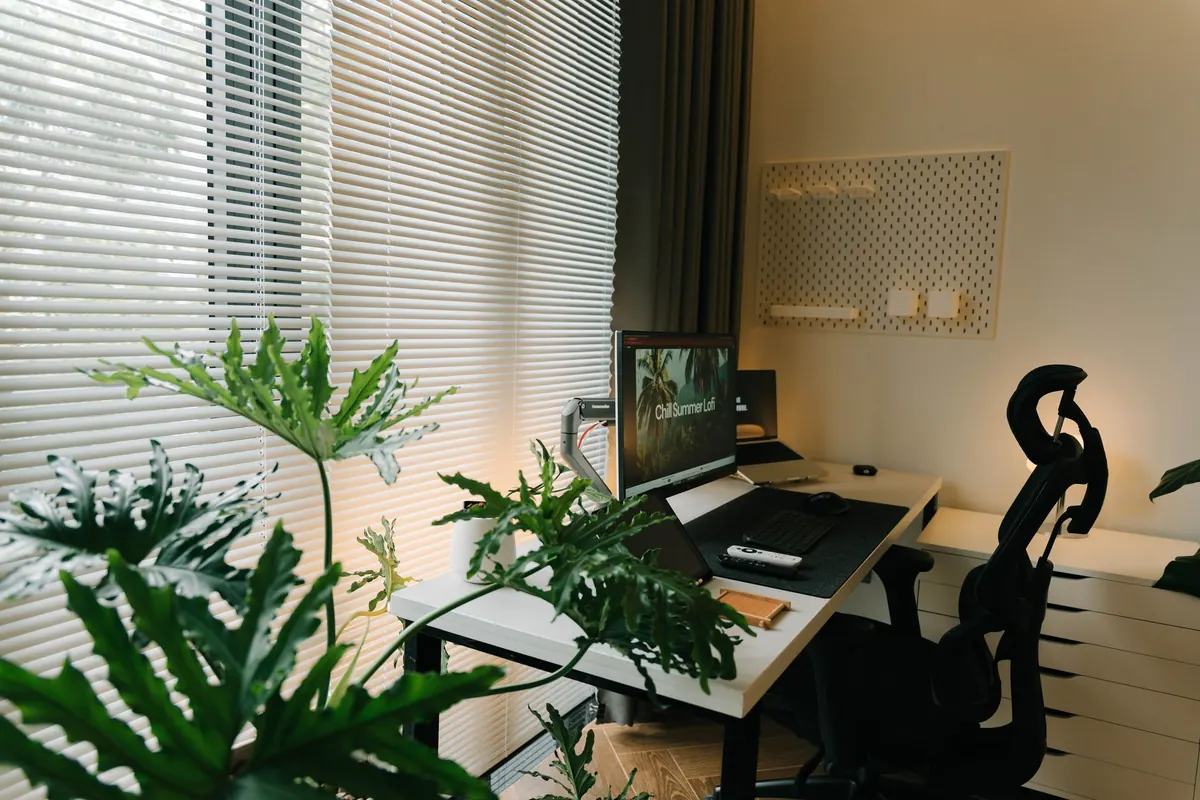
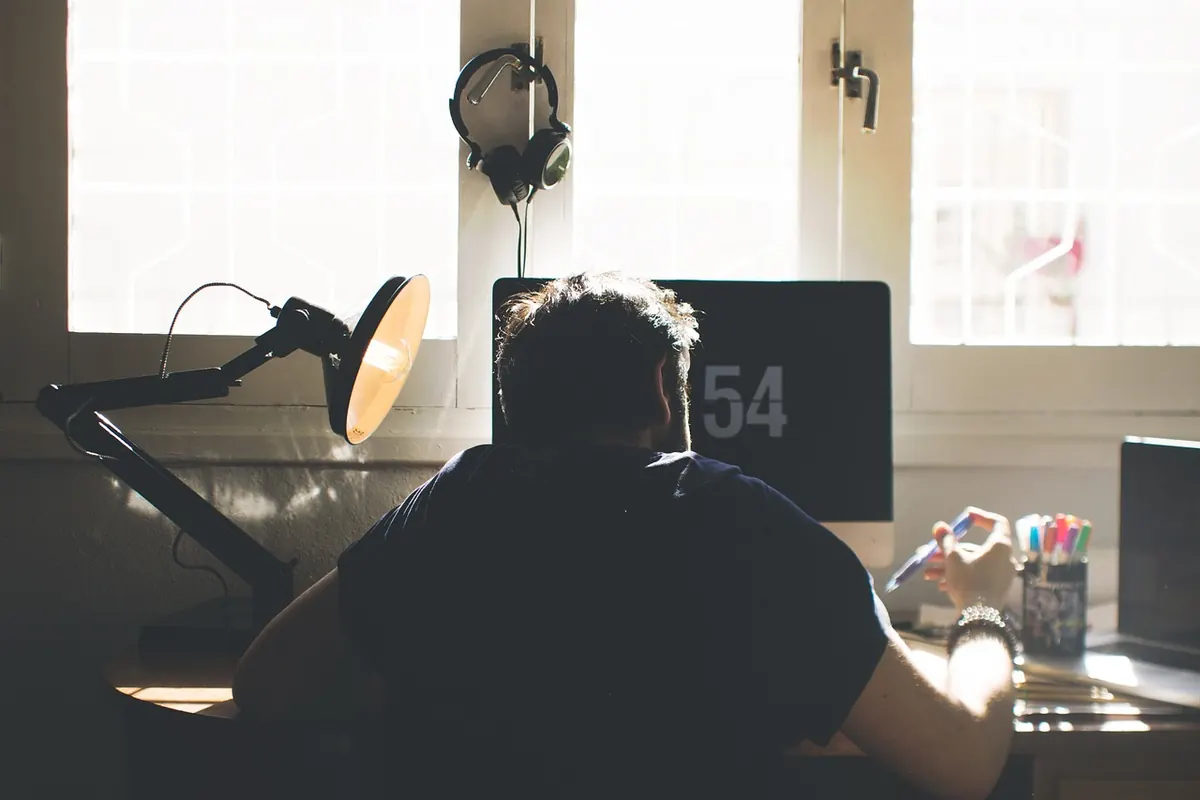
Desk lighting has two simple rules. First, put the light on the opposite side to your writing hand — from the left if you're right-handed, from the right if you're left-handed — so your hand doesn't shadow the page. Second, light the work, not your face. Choose a lamp with a deep, opaque shade and angle it down onto the keyboard and paperwork.
Watch the contrast between screen and surroundings. A dark room with one bright monitor is uncomfortable over long stretches; a small lamp or a wall washer behind the screen softens that. If you wear glasses, tilt the lamp so its reflection doesn't sit in the middle of the screen.
A monitor light bar is a neat option for shallow desks where a lamp base takes up precious space, and it directs light downwards without spilling onto the screen. Whatever you use, take a break and look across the room every so often. If you get persistent headaches or eye discomfort, that's a conversation for an optician rather than a lighting shop.
Small rooms, awkward spots and hobbies
Bathroom mirrors need light on the face rather than above it. Fittings either side of the mirror at roughly eye level, or a strip across the top and one below, avoid the shadowed sockets that a single overhead lamp creates. A dressing table works on the same principle.
For anything fiddly — sewing, model-making, jigsaws, soldering, painting your nails — a light on a flexible arm, brought close to the work, beats a brighter ceiling light every time. On stairs, light each tread rather than the landing, and in a hallway put a small light over the spot where keys, bags and shoes actually land.
Common mistakes to avoid
- One bright lamp in an otherwise dark room, leaving your eyes to adjust all evening.
- Lighting the back of a worktop while your body shades the front.
- Visible bulbs, glossy shades and shiny surfaces that bounce light back at you.
- Forgetting dimming. Task light in the morning is often too much at night.
- Buying a fixed light for a job that changes — choose something you can angle.
A simple way to plan it
Walk into the room and do the thing. Sit in the chair with a book, stand at the worktop with a knife, put your hands on the keyboard in the evening. Notice where your shadow falls and where the light doesn't reach. That is where a task light belongs.
Start with the one activity you do most often in that room, get that right, and live with it for a week before adding anything else. Task lighting was never about owning more fittings. It's about putting the light where your hands already are.
Photo: Pexels / Pixabay