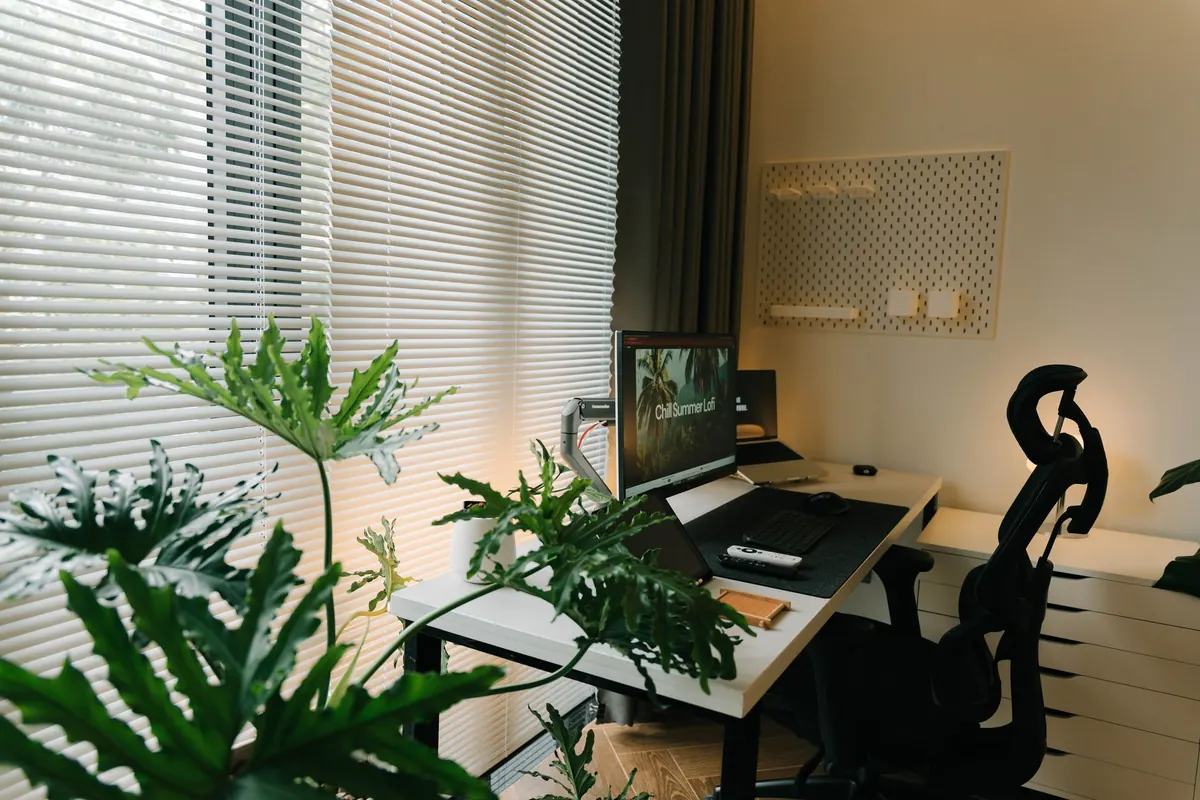
The Ultimate Checklist for Setting Up a Home Office in a Spare Room
A spare room can become many things: a place for guests, a dumping ground for ironing, or—with a little thought—a proper home office. The difference between a workspace you avoid and one you look forward to using comes down to a few key decisions. This checklist covers the essentials: desk, chair, lighting and accessories, plus the small touches that make a room feel intentional rather than improvised.
Before you buy anything, spend time in the room at different times of day. Notice where the light falls, which walls feel cramped, and where the power sockets are. That hour of observation will save you money and regret.
Start with the room, not the furniture
Measure the space properly. Note the position of windows, radiators, doors and built-in cupboards. A desk facing a wall can feel confined; a desk facing a window offers daylight but can create glare on your screen. If you can, position the desk perpendicular to the window so you get light from the side. That reduces shadows on your keyboard and keeps you connected to the view without staring into the sun.
Think about traffic. If the spare room is also a thoroughfare to a loft or bathroom, keep a clear path. You do not want to squeeze past a chair every time you leave. A simple floor plan on graph paper, or a few strips of masking tape on the carpet, will show you what fits.
The desk: your working surface
The desk is the anchor. It needs to be the right height for you, not just for the room. As a guide, your elbows should rest at roughly 90 degrees when your hands are on the keyboard. If you are tall or short, an adjustable desk or a desk with adjustable legs makes a real difference. Standard desks are often around 73–75cm high, which suits many people but not all.
Depth matters as much as width. A shallow desk forces your monitor too close. Aim for at least 60cm of depth if you use a separate screen; 70–80cm is more comfortable. Width depends on your work: a single laptop needs less than dual monitors and a printer. Consider cable management from the start. A desk with a modesty panel or a clip-on tray keeps leads out of sight. If you like a clean look, choose a desk with a drawer for small items, or add a slim unit beside it.
The chair: support where it counts
A beautiful chair that hurts after an hour is a false economy. Look for adjustable seat height, a backrest that supports your lower back, and a seat depth that lets you sit with your feet flat and a small gap behind your knees. Armrests should not stop you getting close to the desk; if they do, choose a chair without them or one with flip-up arms.
If you can, try before you buy. Sit for at least ten minutes. Check that the lumbar support hits the curve of your back, not your shoulder blades. A gas lift should feel smooth, and the base should be stable. A chair on castors is practical for hard floors; on carpet, consider glides or a chair mat to prevent wear. If you share the office, an adjustable chair is non-negotiable. If you have a history of back or wrist pain, it is worth seeking advice from a physiotherapist or ergonomist before you commit to a setup.
Lighting: layers for task and mood
Good lighting is the difference between a headache and a pleasant afternoon. Aim for three layers: natural light, task lighting, and ambient light.
Natural light
Use it, but control it. Position your desk so daylight falls from the side. If the window is directly in front or behind you, use a blind or sheer curtain to soften glare. A mirror opposite the window can bounce light into darker corners, but avoid placing it where it reflects your screen.
Task lighting
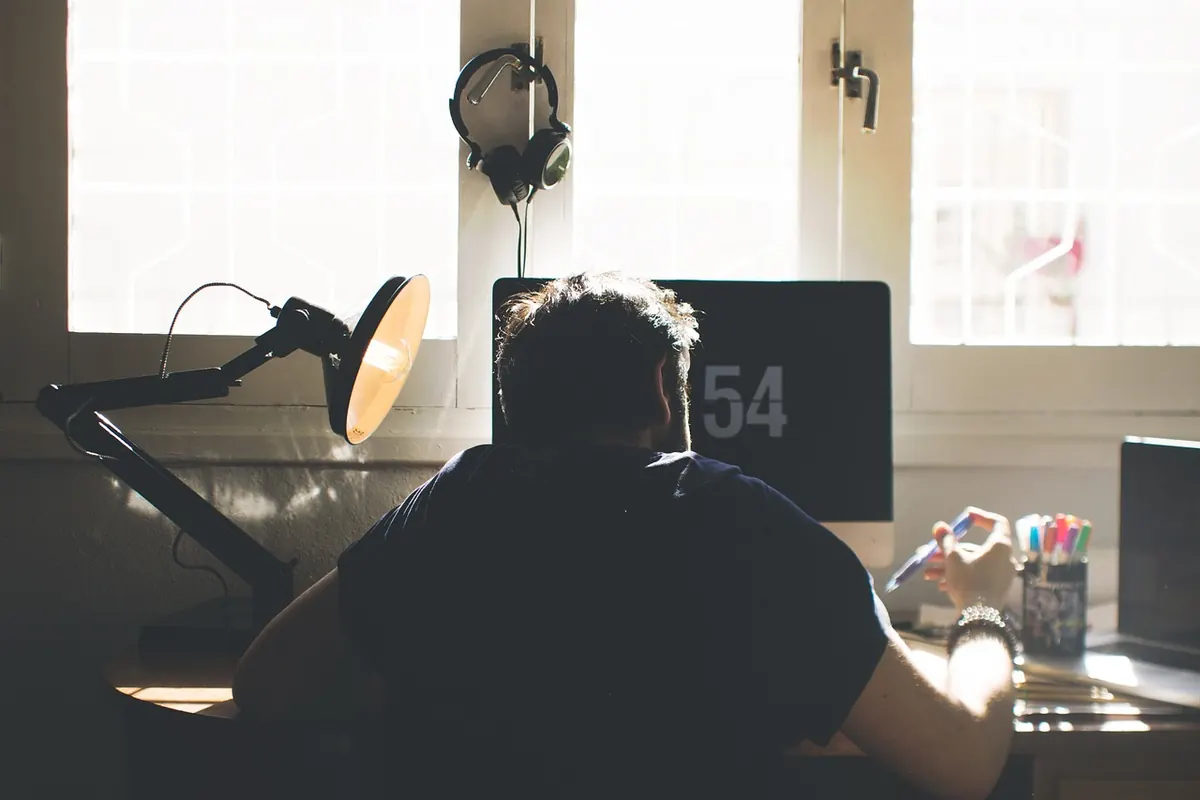
A desk lamp should illuminate your work area without shining into your eyes. An adjustable arm lets you direct light where you need it. For reading or writing, a warm white bulb (around 2700–3000K) is easier on the eyes than a harsh cool white. If you do detailed work, a brighter, cooler light may help. Place the lamp on the opposite side to your writing hand to avoid shadows.
Ambient lighting
A floor lamp or a pair of wall lights can lift the whole room. Dimmable bulbs let you shift from focused work to a softer evening atmosphere. Avoid relying on a single overhead light; it creates shadows and can feel clinical. If you have a pendant, put it on a dimmer.
Storage and accessories: the supporting cast
Clutter is the enemy of focus. Give everything a home. A filing cabinet, a set of drawers, or a wall shelf can hold paperwork and stationery. Use vertical space: floating shelves above the desk keep the surface clear. A pinboard or magnetic board is useful for notes, but keep it curated rather than chaotic.
Here is a quick checklist for the accessories that earn their place:
- A cable tidy or trunking to keep leads under control.
- A monitor stand or riser to bring your screen to eye level.
- A footrest if your feet do not reach the floor comfortably.
- A wastepaper bin that suits the room, not just the office.
- A coaster for your mug, because rings on wood are forever.
- A small plant or two—real or realistic—to soften the space.
- A clock or timer to help you stay on track without checking your phone.
Think about sound, too. If the spare room is near a busy road or a noisy household, a rug and curtains will absorb some echo. A pair of headphones can be a practical addition if you are often on calls.
Colour, texture and personality
A home office should not feel like a beige cubicle. Paint is the quickest way to set a mood. Soft greens, warm greys, and muted blues are calm and easy to live with. If the room is small, keep the ceiling light and use a darker shade on the walls for depth, or choose a light colour throughout to make it feel airier.
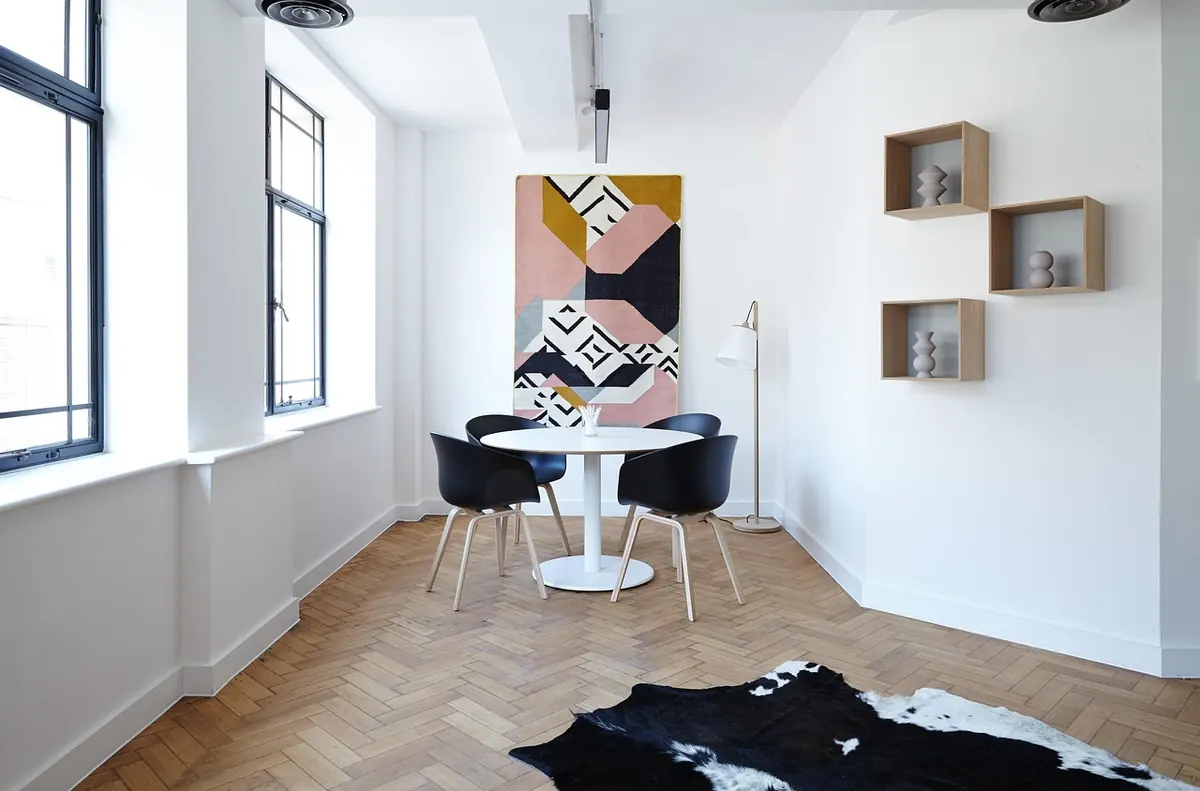
Add texture with a rug, a woven basket, or a linen noticeboard. Art on the walls gives you something pleasant to rest your eyes on. Keep the desk surface relatively clear so the room feels calm, but allow one or two objects that make you smile: a photograph, a piece of pottery, a favourite book.
If the room doubles as a guest room, choose a sofa bed or a daybed that looks good as seating. A folding desk or a wall-mounted drop-leaf table can save space. The aim is flexibility without compromising your daily workspace.
Making it work day to day
Once the furniture is in, test the setup for a week. Notice when you feel stiff, when the light is wrong, when you cannot find a pen. Small adjustments—moving the lamp, raising the monitor, adding a cushion—make a big difference. Keep a notepad nearby for the first few days; jot down what irritates you, then fix it.
Finally, establish a routine that signals the start and end of work. Open the curtains, clear the desk at the end of the day, and close the door if you can. A spare room office works best when it feels like a destination, not an afterthought. With the right desk, a supportive chair, layered lighting and a few well-chosen accessories, you will have a workspace that is both productive and a pleasure to spend time in.
Photo: Alpha En / Pexels