The 10-Point Checklist for Buying a Sofa That Will Last
A sofa is not a small purchase. It is the piece you flop onto after work, the one guests sleep on, and the one that has to survive crumbs, pets and the occasional wobbly landing. The difference between a sofa that looks good for two years and one that still feels right after ten usually comes down to a handful of decisions made before you pay. Use this checklist to ask better questions in the showroom, and to spot the details that never make it onto the price tag.
Look beneath the upholstery
Start with the frame. If you can see it, or ask for a specification sheet, do. A good frame is usually made from kiln-dried hardwood such as beech or ash, or a quality hardwood ply. Softwood can work if it is properly reinforced, but avoid particleboard or MDF in load-bearing areas; these can crumble around screws over time.
Joints matter as much as the wood. Look for dowels, screws, glue and corner blocks. A frame held together with staples alone may feel fine in the showroom, but it is more likely to work loose. If the retailer can show you a cutaway or exposed frame, take the opportunity.
Suspension is the third hidden component. Eight-way hand-tied springs are the traditional benchmark, but pocket springs and serpentine springs can also be durable. Webbing is common at lower prices; ask how it is tensioned and supported. Press down firmly on the seat. You should feel even resistance, not a hollow thud.
A quick showroom test
Ask permission, then gently lift one front corner a few centimetres. A rigid frame should feel solid, not twist like a rope ladder. Sit on the edge and in the middle. If the frame creaks or the cushions bottom out, keep looking.
Cushions and fillings: the comfort that lasts
Cushions are where sofas quietly give up. Seat cushions filled with high-resilience foam tend to hold their shape well. Foam wrapped in feather or down feels softer, but it needs regular plumping. Cheap fibre fill can flatten quickly. Pocket springs inside a cushion can add support and help it recover.
- High-resilience foam: supportive, low-maintenance, good for busy homes.
- Foam and feather wrap: soft, cosy, needs plumping and occasional refilling.
- Fibre fill: light and affordable, but more likely to flatten.
- Pocket springs: supportive and resilient, often used with foam or fibre.
Back cushions should be removable and, ideally, have washable covers. Loose back cushions can be rotated and plumped. Fixed backs look neat but are harder to refresh. If you like to sink in, check that the back height supports your shoulders and neck.
Fabric that survives real life
Fabric durability is usually measured by a Martindale rub test. The higher the number, the more abrasion the fabric has been tested to withstand. Ask for the result and match it to your household. A light domestic rating may suit a spare room; a busy family living room needs something more hard-wearing.
Weave matters too. Tightly woven fabrics are less likely to snag than loose weaves or looped textures. If you have pets, a close weave or a good leather is often more forgiving. Velvet and chenille look wonderful, but they show marks and flatten in high-traffic seats.
Take a fabric sample home and look at it in daylight and evening light. Ask about cleaning: are the covers removable? Can they be washed, or do they need professional cleaning? Stain-resistant treatments can help, but they are not a permanent shield.
Sit, measure, and read the small print
Comfort is personal. Sit on the sofa for longer than a polite minute. Check the seat height, depth and arm height. A low, deep sofa can feel wonderful for lounging but awkward for getting up with a cup of tea. If you share the sofa, both of you should try it.
Measure everything before you buy. Doorways, hallways, stair turns, lift dimensions and the final space. Allow room for side tables and lamps. Check whether the legs can be removed for delivery, and whether the sofa will need assembling on site.
Finally, read the guarantee. A good guarantee should be in writing and explain what is covered, for how long, and what is excluded. Frame guarantees are often longer than cover guarantees. Cushion flattening and fabric fading are commonly excluded because they relate to normal wear. Ask who honours the guarantee and how claims are made.
The 10-point checklist
- Frame material: kiln-dried hardwood or quality hardwood ply; avoid particleboard in load-bearing areas.
- Joints: dowels, screws, glue and corner blocks, not staples alone.
- Suspension: springs or firm webbing that is properly supported; ask what sits under the seat.
- Seat filling: high-resilience foam, pocket springs or a foam-and-feather wrap suited to how you sit.
- Back cushions: removable, washable covers and a filling that can be plumped or replaced.
- Fabric durability: a tight weave and a Martindale rating that matches a busy home.
- Cleaning: check the care label and whether covers are removable; treatments are not a substitute for the right fabric.
- Comfort and proportions: seat height, depth and arm height should suit the people who use it most.
- Measurements and access: measure doors, turns and the final space; check legs can be removed if needed.
- Guarantee and aftercare: get it in writing, read the exclusions, and follow the care instructions.
Before you pay
Ask about replacement cushions and covers. A sofa with a solid frame, replaceable covers and good cushions can be refreshed rather than replaced. Keep your receipt, care instructions and guarantee in a safe place. If you are buying on finance, read the terms carefully and seek independent advice if anything is unclear.
A good sofa is a long relationship. Take a tape measure, a fabric sample and this checklist to the showroom. Ask the awkward questions. The sofa that passes will be the one you stop noticing, in the best way.
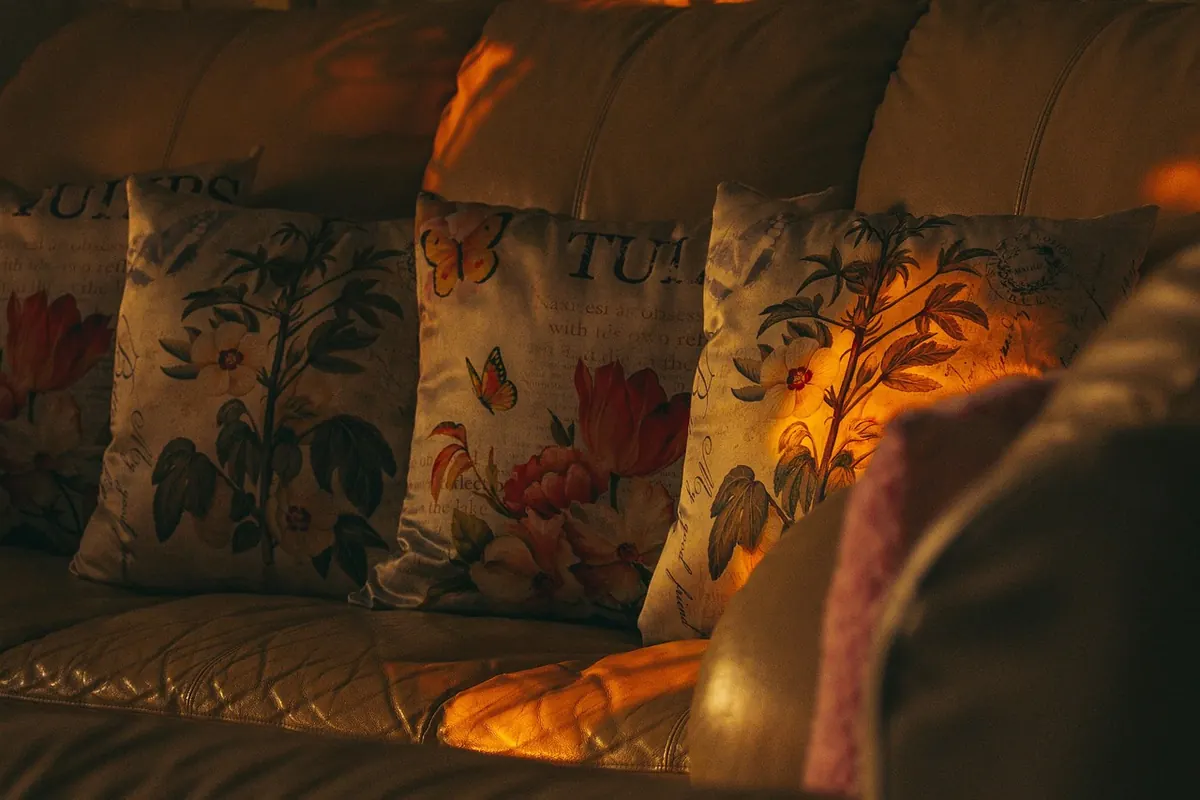
Photo: Max Vakhtbovych / Pexels